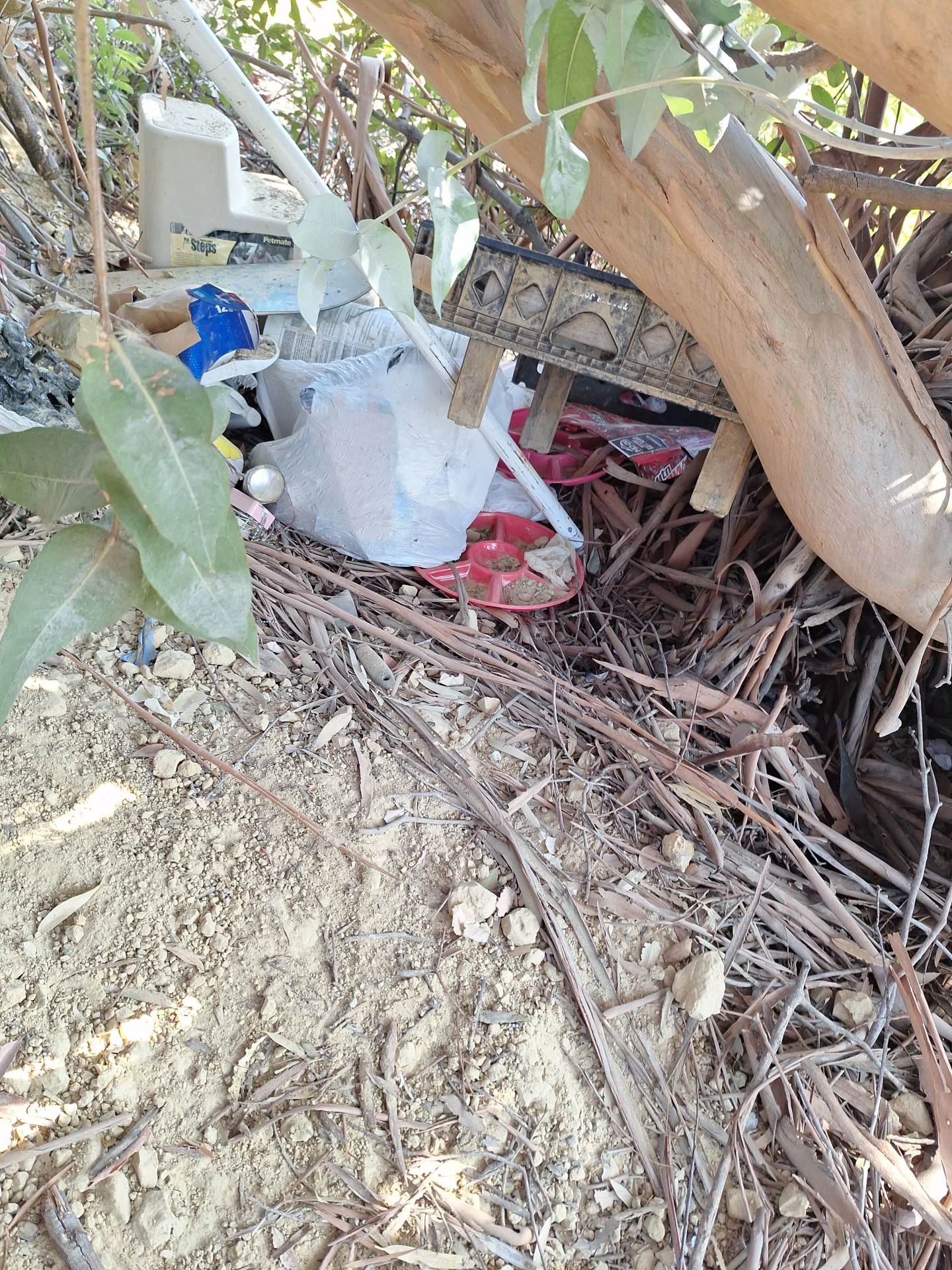
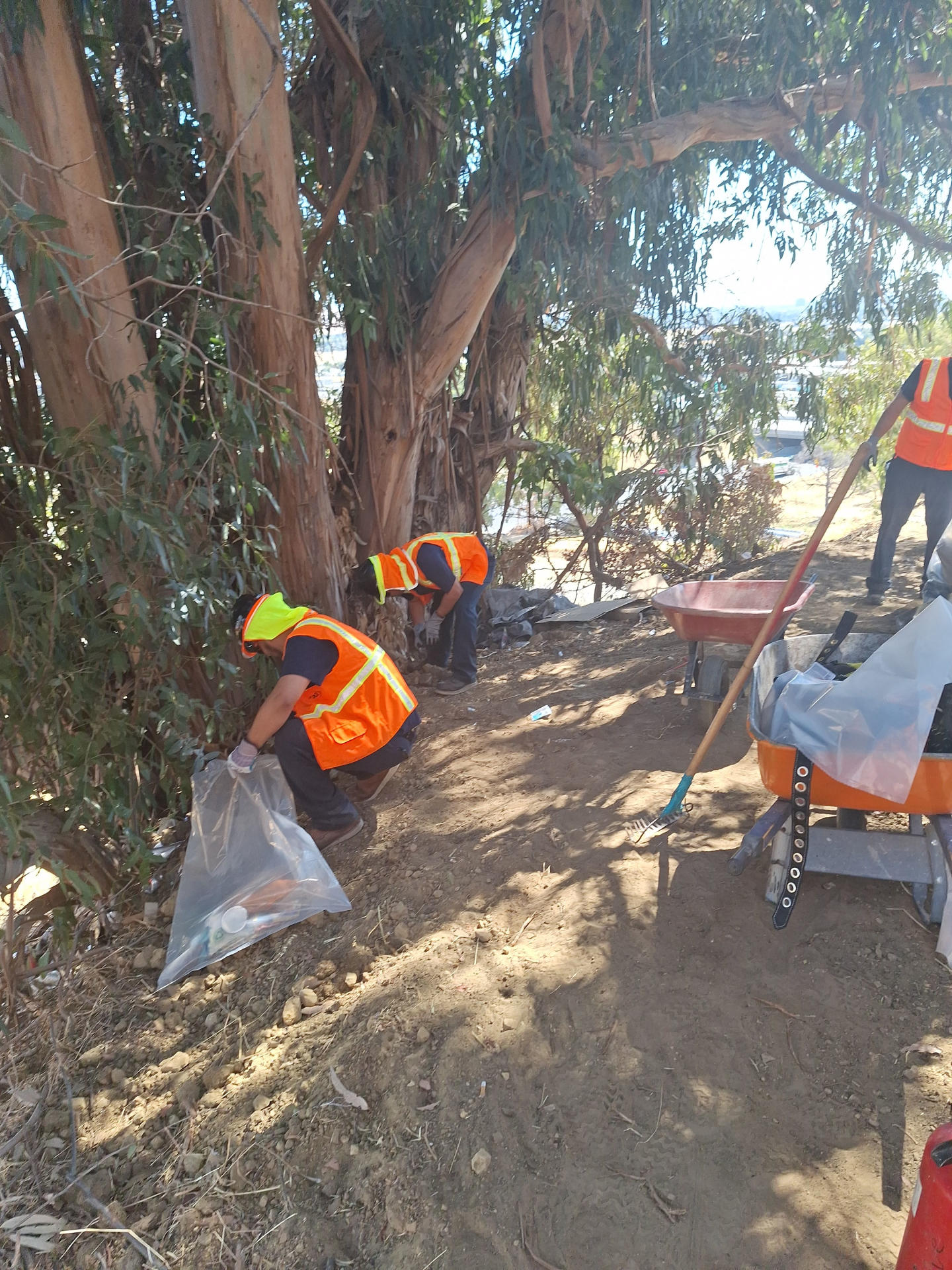
The project involved numerous obstacles, including steep, uneven terrain and challenging access to areas filled with debris. Much of the waste had been partially buried, with items such as an entire refrigerator, mattresses, and various household items discovered below the surface. Biohazard materials, including food remains and human waste, further increased safety risks for the team. High temperatures and the physical labor required to remove deeply embedded trash added to the complexity, highlighting the need for careful planning and ongoing safety precautions. Prompt and thorough service was critical to restoring the site for the client.
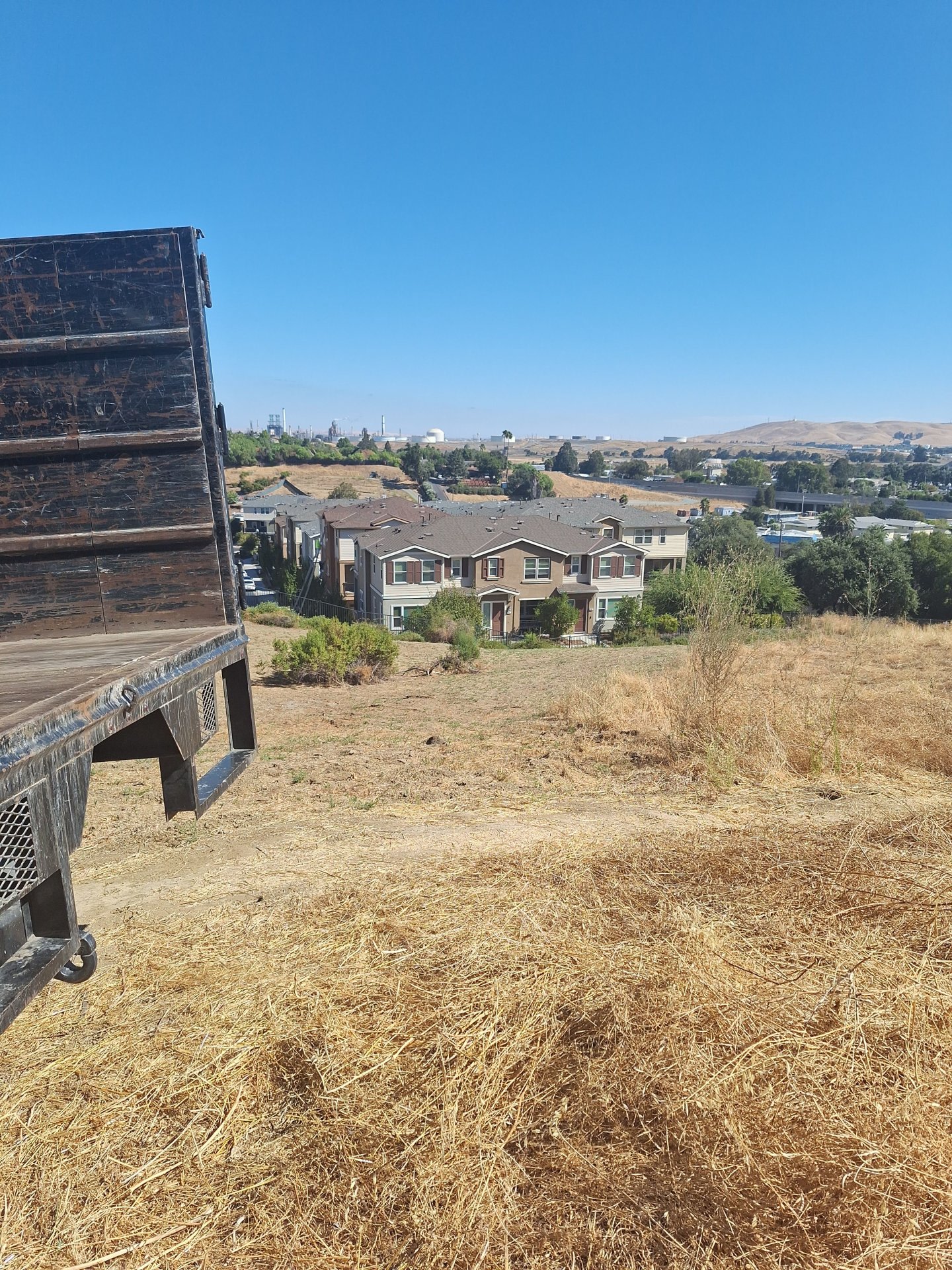
ATI finished the encampment debris cleanup a full day ahead of schedule and under budget. The site was restored within two days, leading to a clear enhancement in public health and safety in the area. The client expressed strong satisfaction with ATI’s organized, thorough, and safety-focused approach. This project stands as a successful example of efficient, compassionate service in challenging environments while meeting all expectations for budget and timing.
ATI Solutions
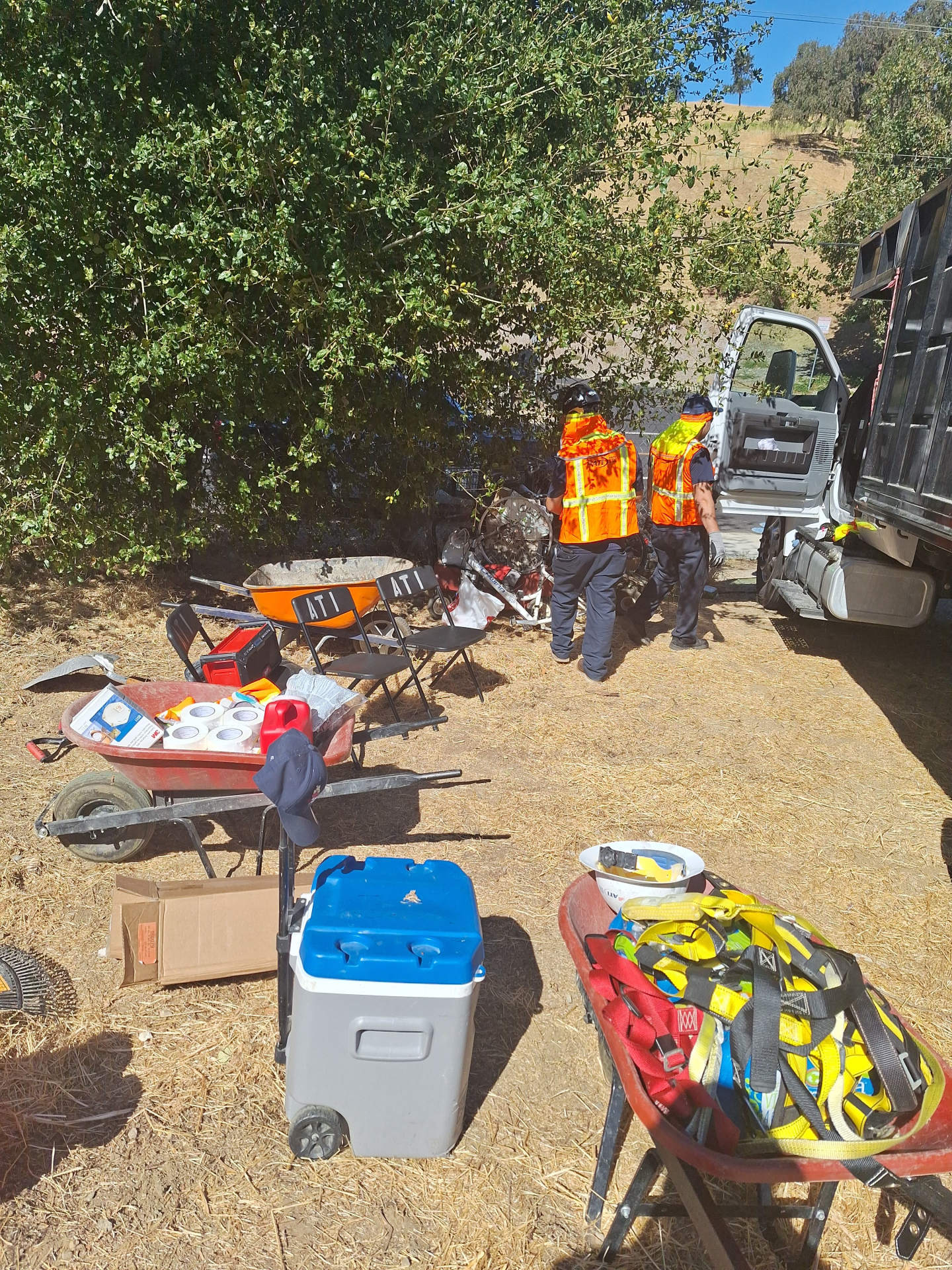
ATI’s project leaders assessed the site and launched cleanup efforts quickly. Crew safety was a top priority: team members wore full PPE including Tyvek suits, N95 masks, cut-resistant gloves, and safety goggles. The team navigated the hillside using safety harnesses anchored to trees, while also clearing debris from ditches, trails, and areas concealed by brush, trees, and shrubs. Shovels and other tools were used to unearth buried debris, including hazardous and bulky items like mattresses and appliances. Regular shaded breaks and hydration stations were set up to protect workers in temperatures exceeding 90° F. ATI’s systematic approach ensured waste and biohazards were cleared safely, ahead of schedule, and under budget.
Before and After Photos